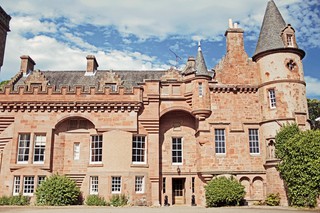
Caruso St John have been appointed architects for the development of Hospitalfield Arts in Arbroath, Scotland.
The project involves the partial refurbishment of Grade A Listed Hospitalfield House, a magnificent baronial style Arts & Crafts house from the Victorian period, which has functioned as a site for artists’ residencies since the early 20th century, as well as the renovation of the artists' studios, fernery and glasshouse which stand within the estate. The project also involves new buildings within the gardens, providing museum quality archive and exhibition spaces. The development is intended to create a porous and open public resource led by access to the extensive collections of paintings, drawings and works on paper.
Related news

Director Rod Heyes and Project Architect Paula Schilliger present the practice’s masterplan for Hospitalfield House in Arbroath, Scotland, as part of the Architecture Foundation's series of talks exploring the typology of the artist's studio.
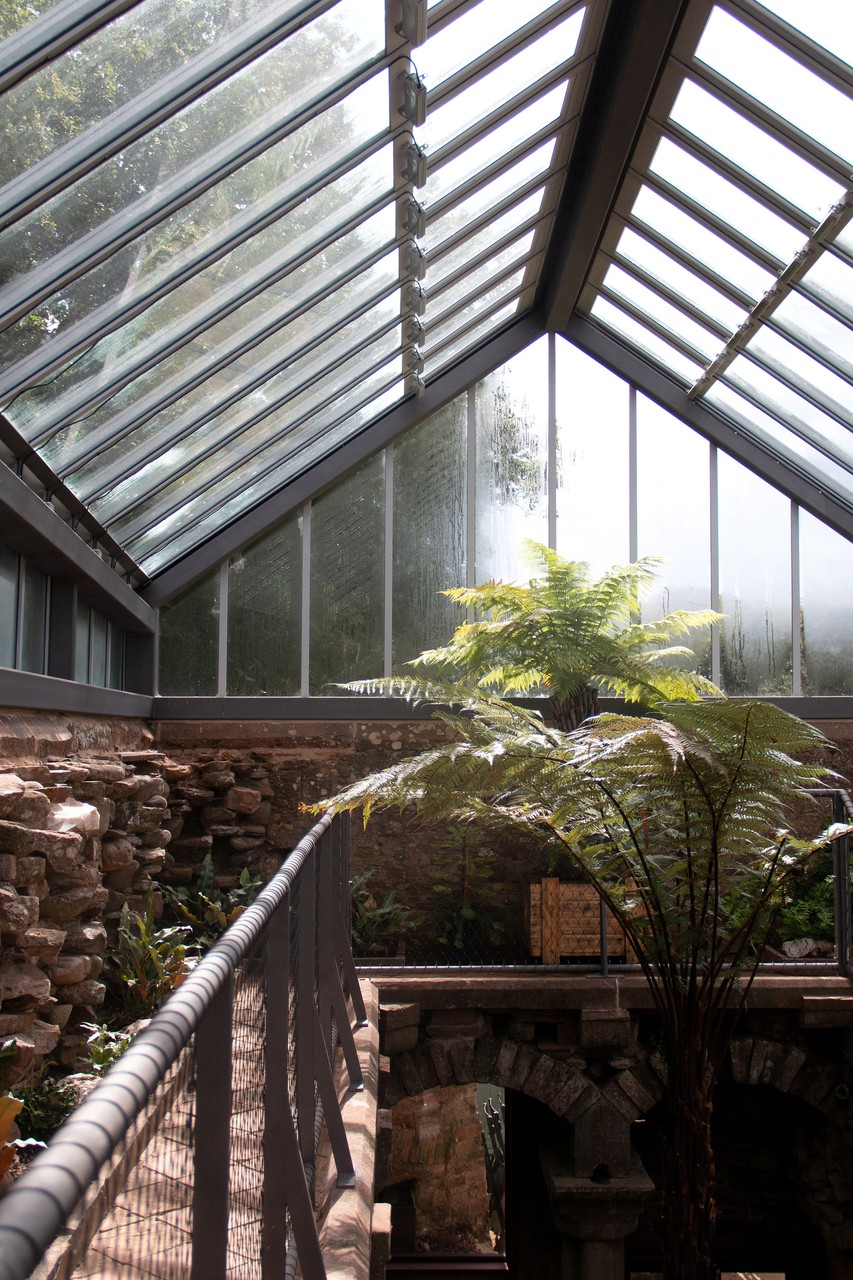
Peter St John was interviewed by Veronica Simpson about the practice's renovation work at Hospitalfield House in Arbroath. They discussed the recently completed Café and Fernery, alongside the future plans for the arts centre.
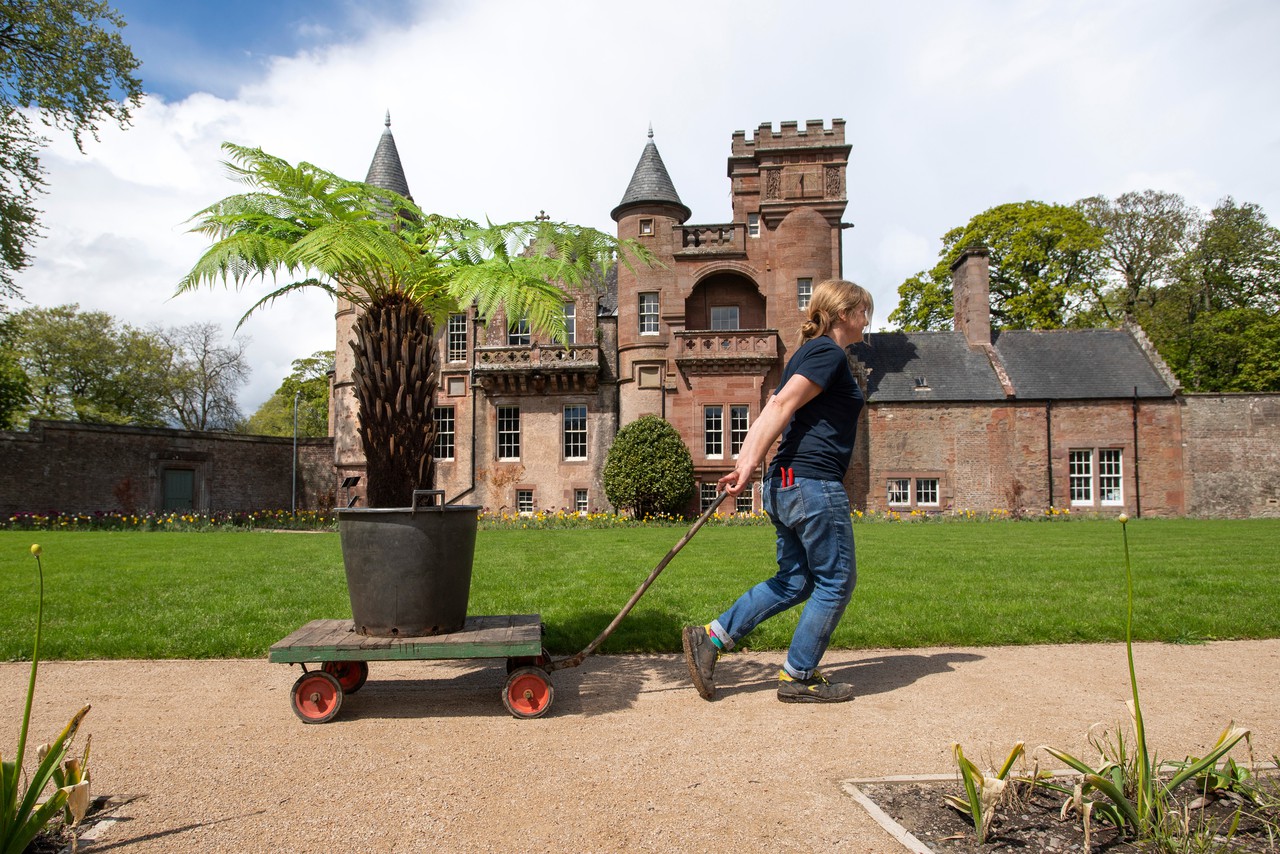
Caruso St John have completed renovation work on the fernery and glasshouse at Hospitalfield House in Arbroath, which opens to the public today. This is the first phase in the wider redevelopment of the Category A listed arts centre.
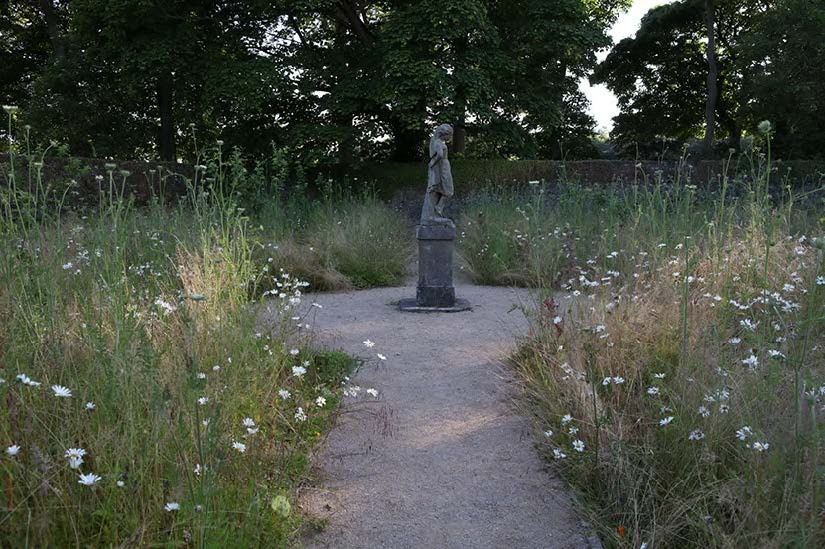
On Thursday, 10 September, Hospitalfield will host an afternoon in conversation at Custom Lane in Edinburgh. Titled The Site Conscious Practice of Artists; the Problem of the Rural Landscape is its Beauty, the event explores how cultural organizations can create hospitable, porous environments that nurture slow artistic practice while engaging broad public audiences.
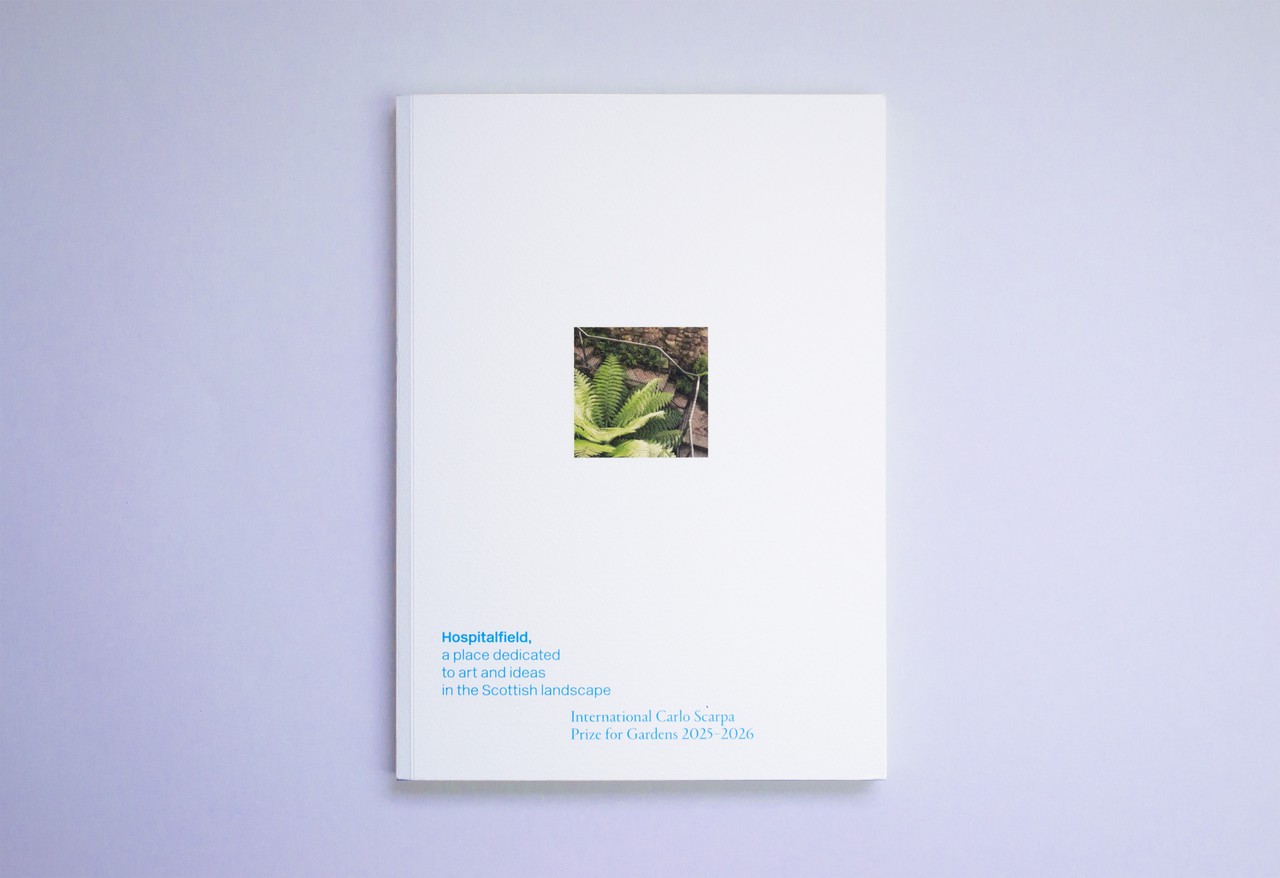
A new publication about Hospitalfield is out now. Published by Fondazione Benetton Studi Ricerche on the occasion of the 34th Carlo Scarpa Prize for Gardens. The book tells the story of Hospitalfield, from its 13th century origins as a hospital to an art school founded by Patrick Allan Fraser, and to the current program of artist residencies and community programs.
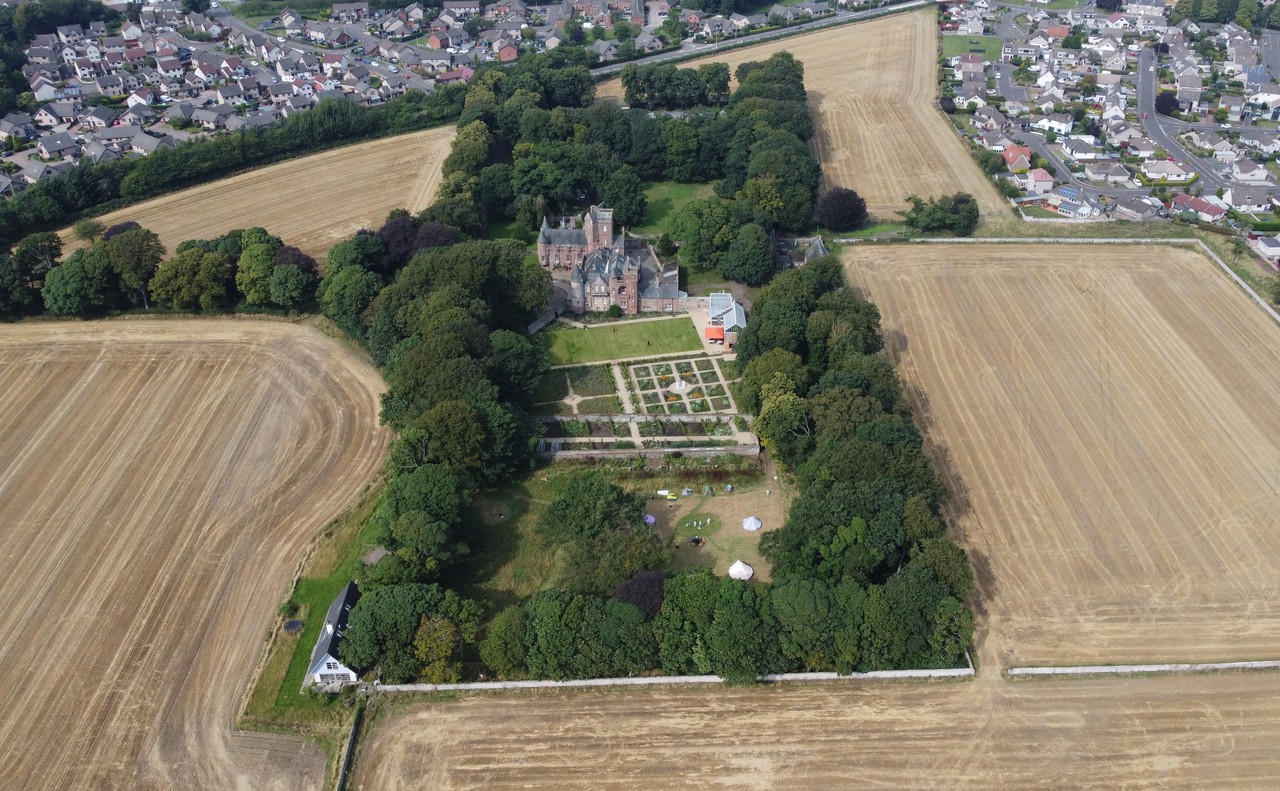
Hospitalfield is awarded the 34th International Carlo Scarpa Prize for Gardens, 2025-2026, a prize awarded to a place with the capacity to transmit natural, historical and cultural values, devised and organised by the Fondazione Benetton Studi Ricerche. The prize is named in honour of Carlo Scarpa (1906-1978), the architect and creator of gardens. There will be a public ceremony in Treviso to celebrate the prize.
Lecture
What’s next for our existing buildings?
RIBA and VitrA talks
Great Hall at Barts North Wing, St Bartholomew’s Hospital
12 May 2026
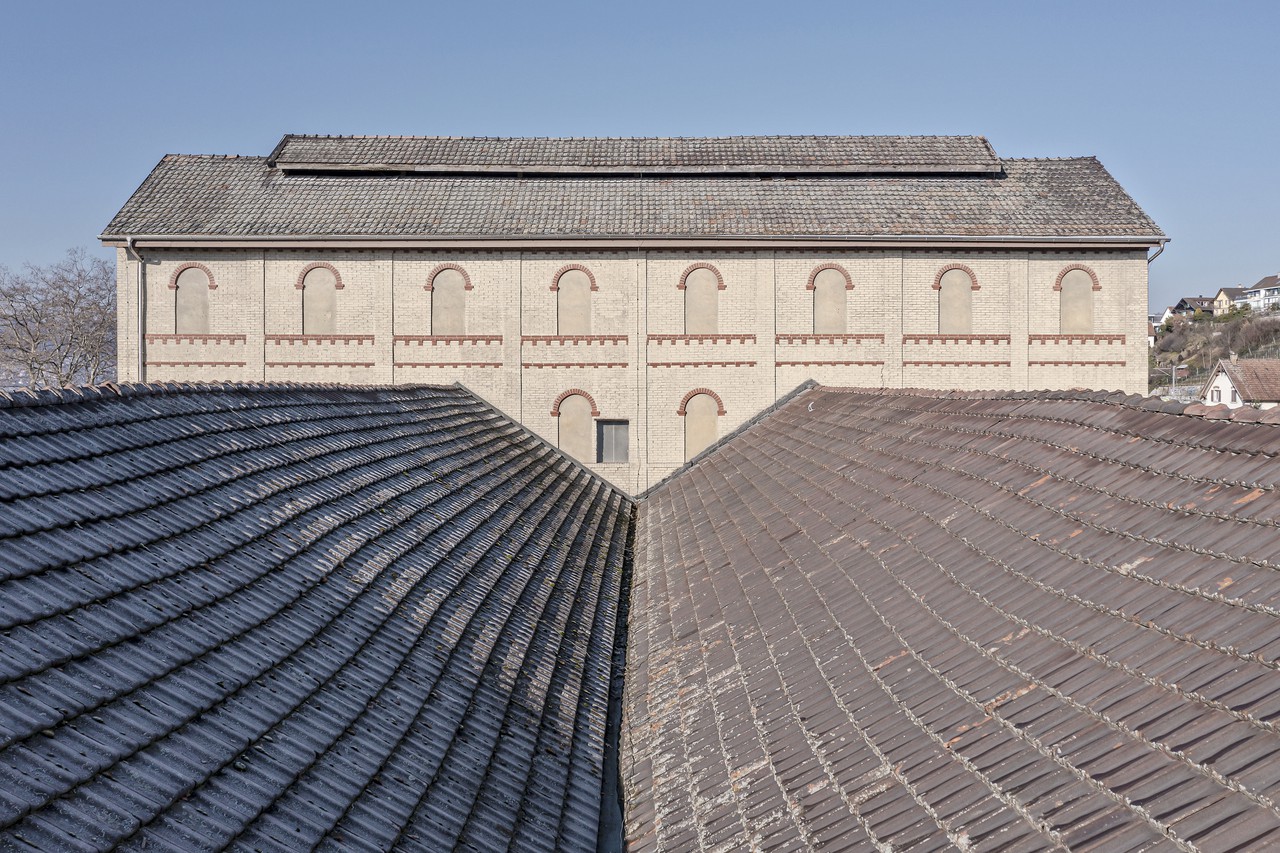
Our director Ben Speltz will give a talk as part of this year's RIBA x Vitra Talks series. He will discuss the practice's approach to working with existing buildings, drawing on a range of projects such as: Hospitalfield Arts, a complex amalgam of medieval buildings in Scotland; Düngerbau, an old chemical factory converted into workspace; and Royal Belge, a sixties office building transformed into a mixed-use program of restaurant, hotel and gym.
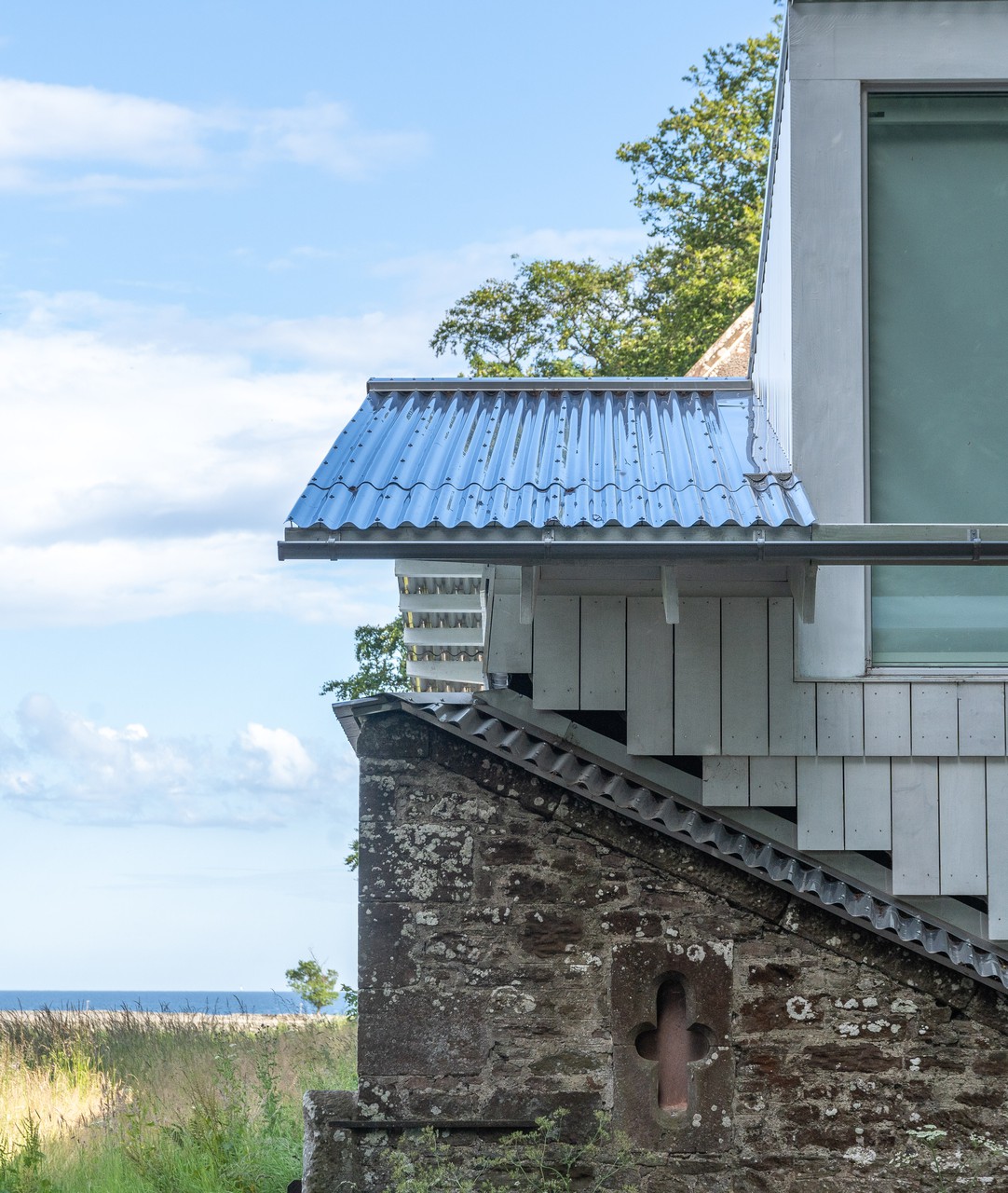
Phase 2 of our Masterplan for Hospitalfield Arts, the Studios, have been shortlisted for the RIAS Awards 2026 in Scotland. This phase focuses on the more private areas of the site, creating studios and workshops with excellent access. Centered on the Rear Yard, this phase includes the renovation of the 1901 studios, conservation of the 1845 Patrick Allan Fraser Studio, refurbishment of the Drawing School, and construction of a new studio building.
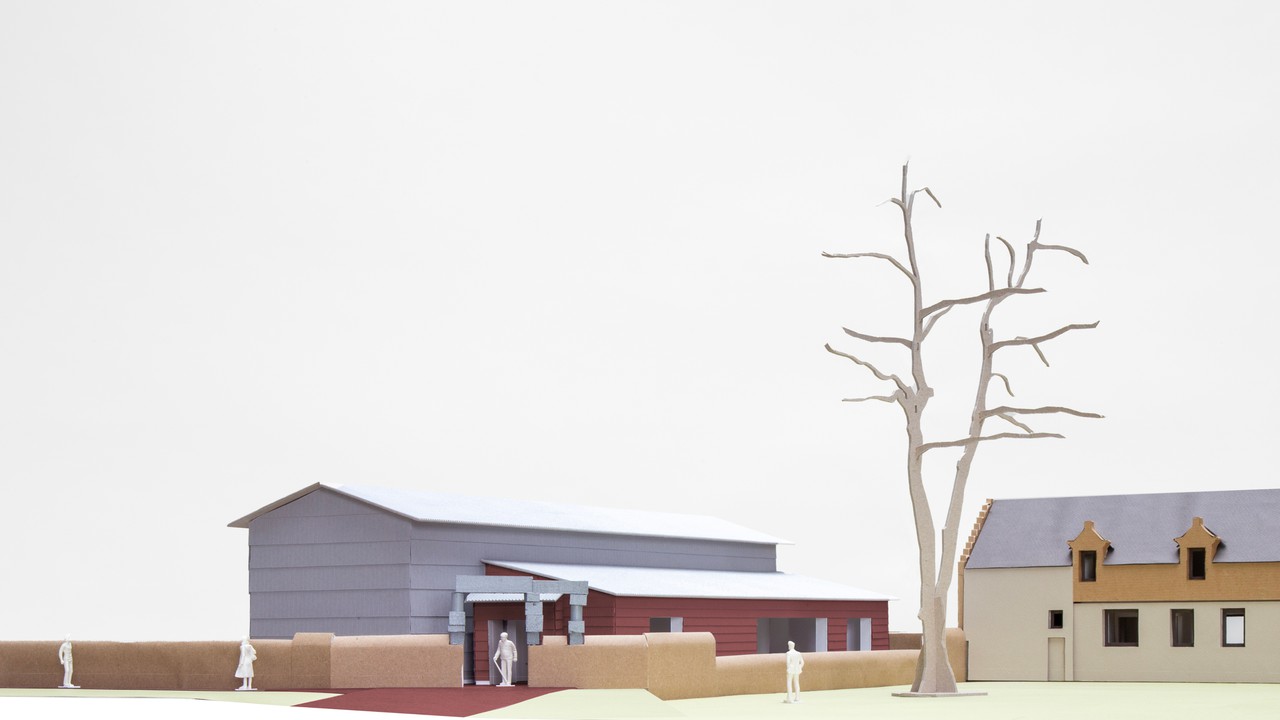
Angus council has approved plans for a new Collections and Study Centre at Hospitalfield. The 255 m² building will provide gallery space and archival storage for Hospitalfield's permanent collection, as well as workspace for staff, and welcome facilities for visitors.
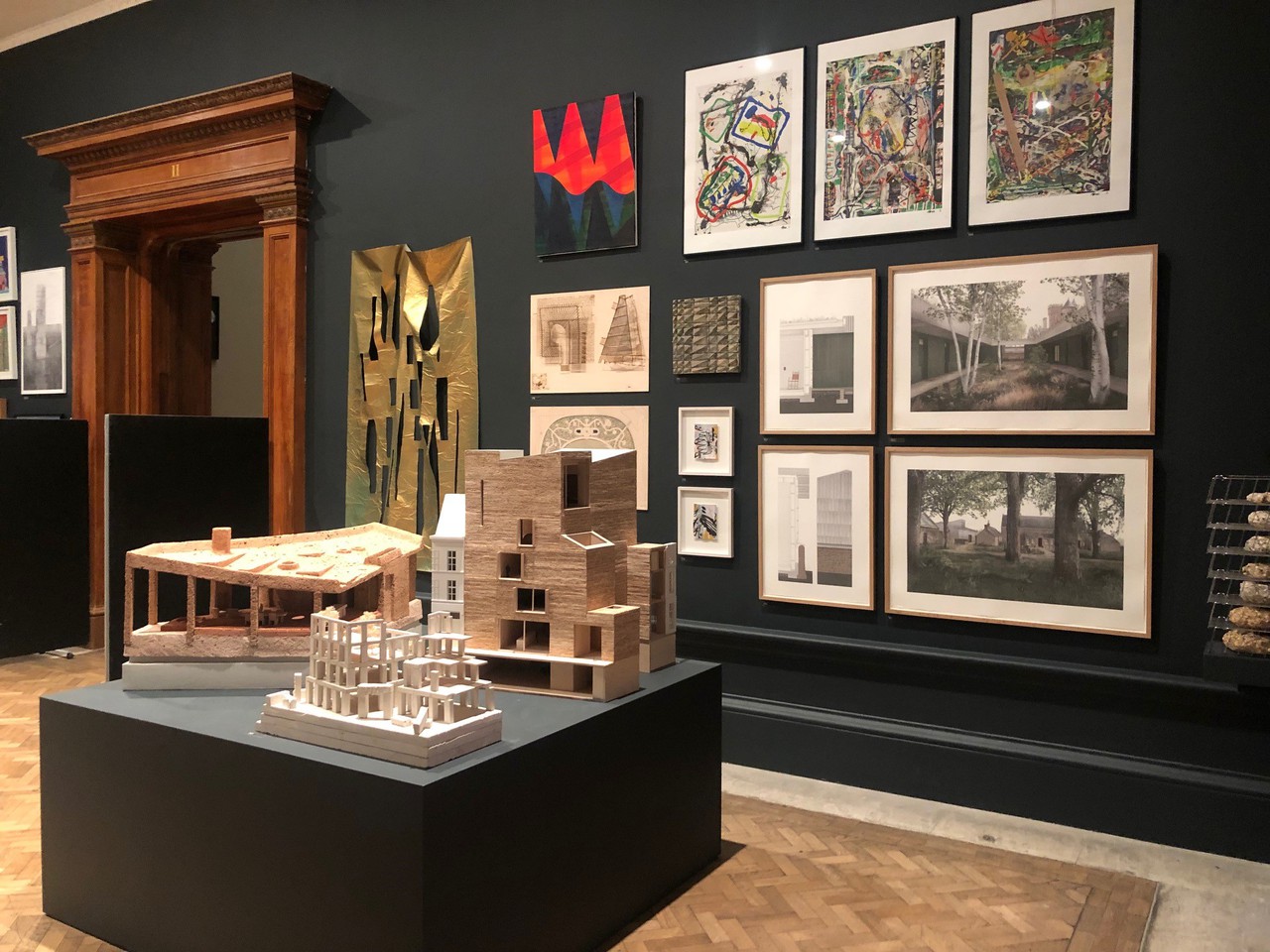
Caruso St John have four drawings in this year’s Summer Exhibition at the Royal Academy, curated by the artist Alison Wilding under the theme 'Climate'. The exhibition opens on the 21st June.
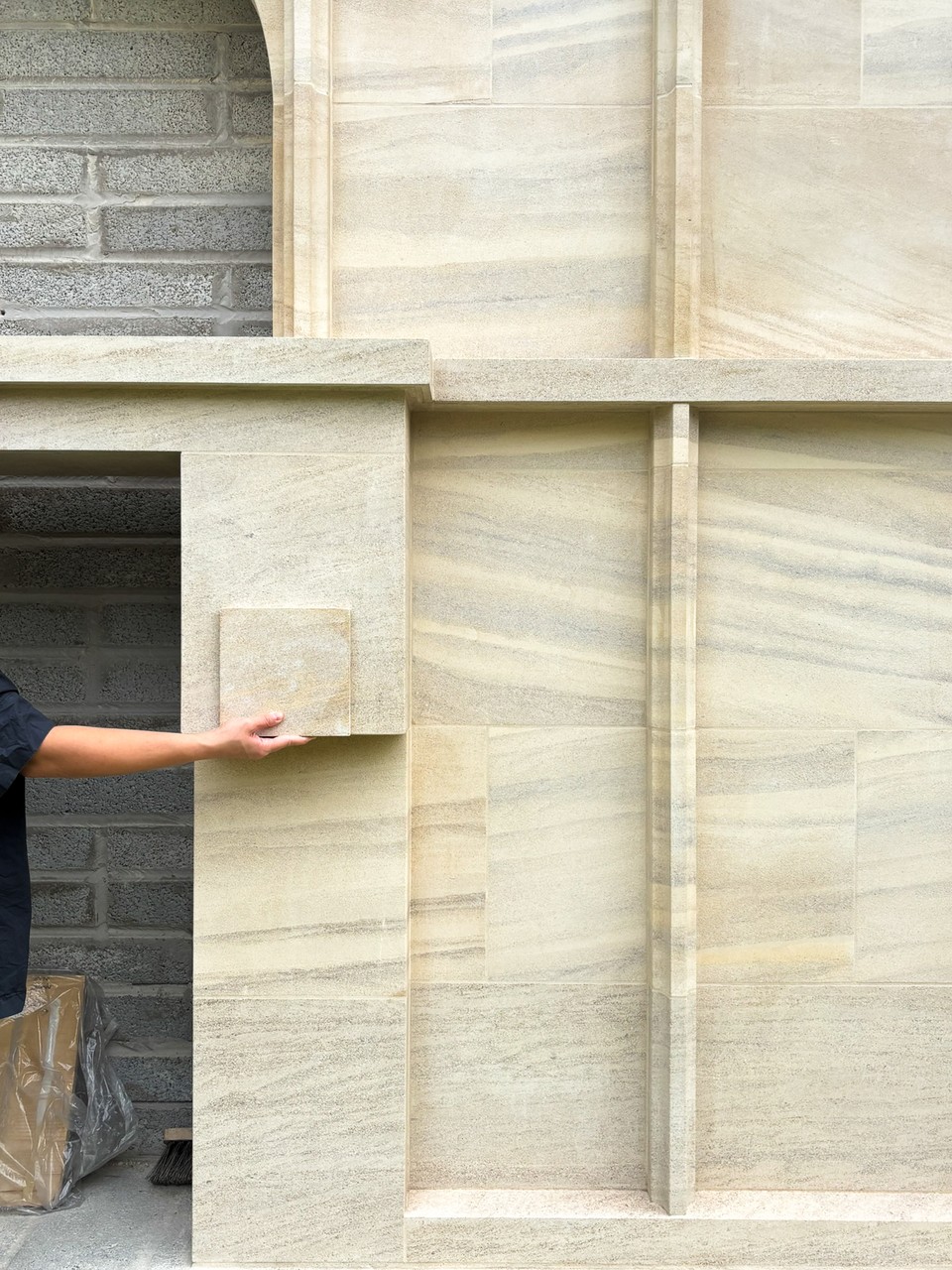
A full-scale stone façade mock-up of the new Garden Room building has been constructed on site at Magdalen College Oxford. The stone is Clipsham limestone, quarried in the Medwell and Bidwell quarries in Lincolnshire. The mock-up is intended to enable the final review of the material selection, assembly, and technical detailing of the load-bearing façade ahead of construction works targeted to start in November.
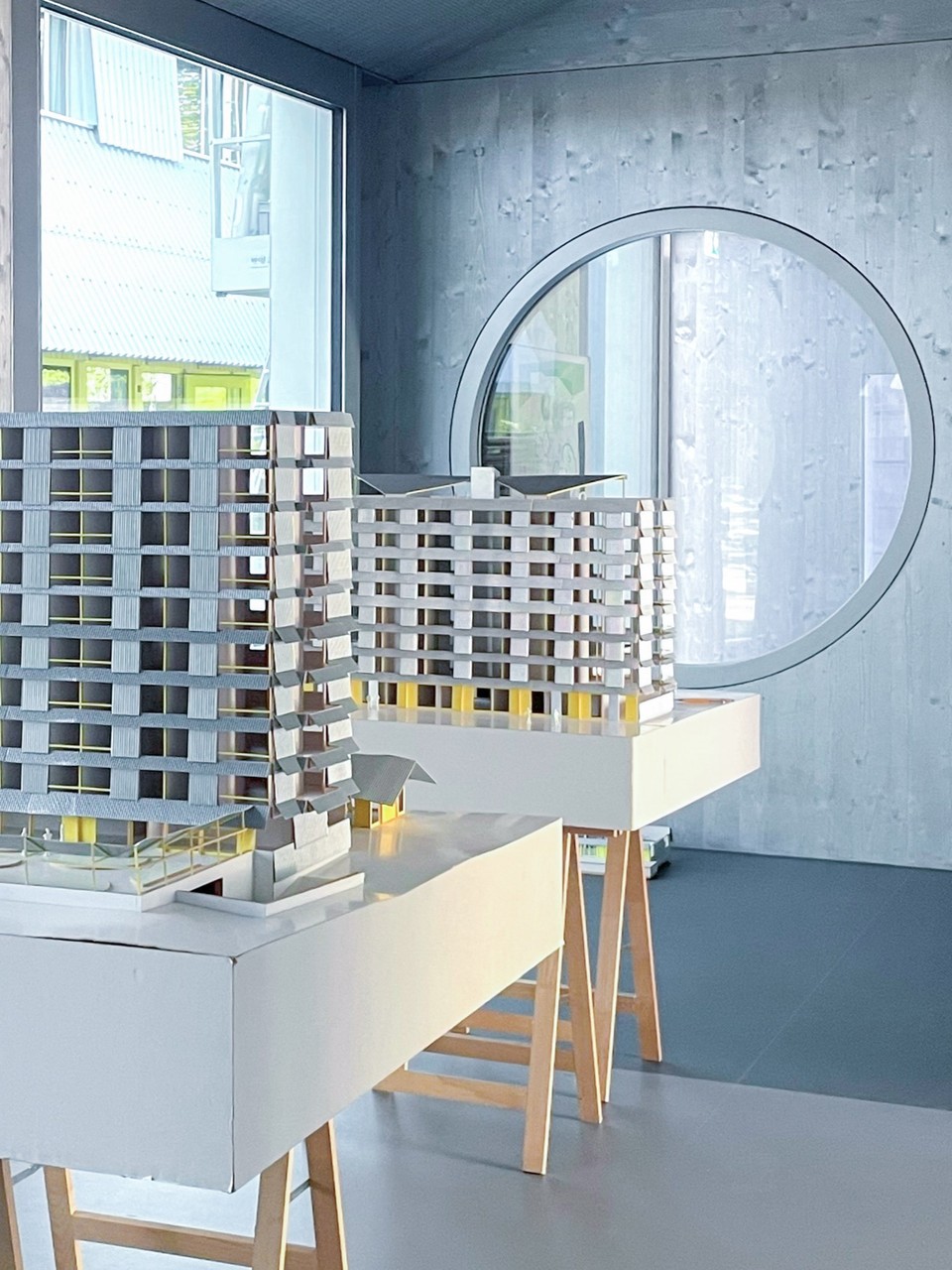
Last Saturday, we opened the doors of the Gutstrasse Cooperative buildings to the public. The project consists of two tall apartment buildings, each accompanied by a smaller, pavilion-like building: a diamond-shaped kindergarten on the north side, and a long, slim building with new offices for the cooperative on the south side. The buildings on the north side are now complete: the first tenants have moved in and the kindergarten is open.
In collaboration with Lütjens Padmanabhan ArchitektInnen.