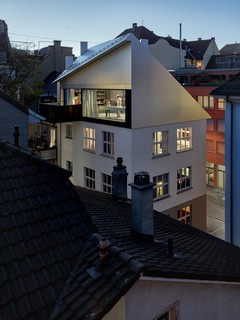
Caruso St John's work on a 1940’s industrial building has created new working and living spaces for a young family. The project lightly repairs the existing almost cubic building. The new construction is a new roof built almost to the limits of what is permitted by the planning regulations, a steep volume that rises up from the eaves along the street to make a new broad façade facing south towards the rear yard.
Located near the Bahnhof Wiedikon in a mixed part of the city, the original building was a purpose-built warehouse and depot for a publisher and is now inhabited by the third generation of the same family.
A graphic design studio that used to be in the roof has replaced the cycle repair shop on the ground floor, the first floor is a shared working space, and the second floor flat has been expanded onto the newly constructed third floor.
Photos © Philip Heckhausen
Related news
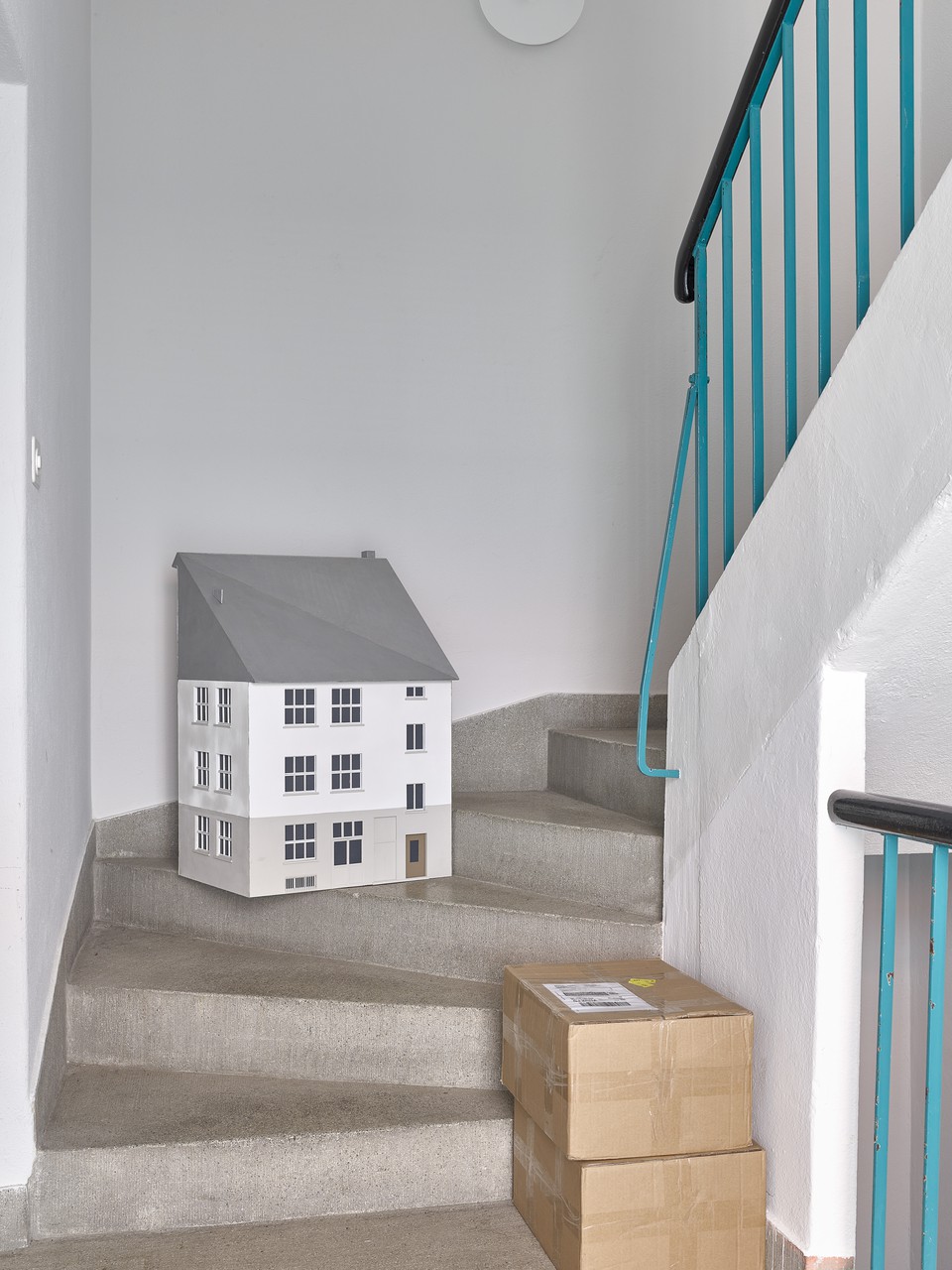
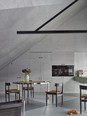
Casabella issue 932 focuses on timber, presenting an anthology of wooden constructions, including Caruso St John's newly completed renovation of a warehouse in Wiedikon, Zurich.
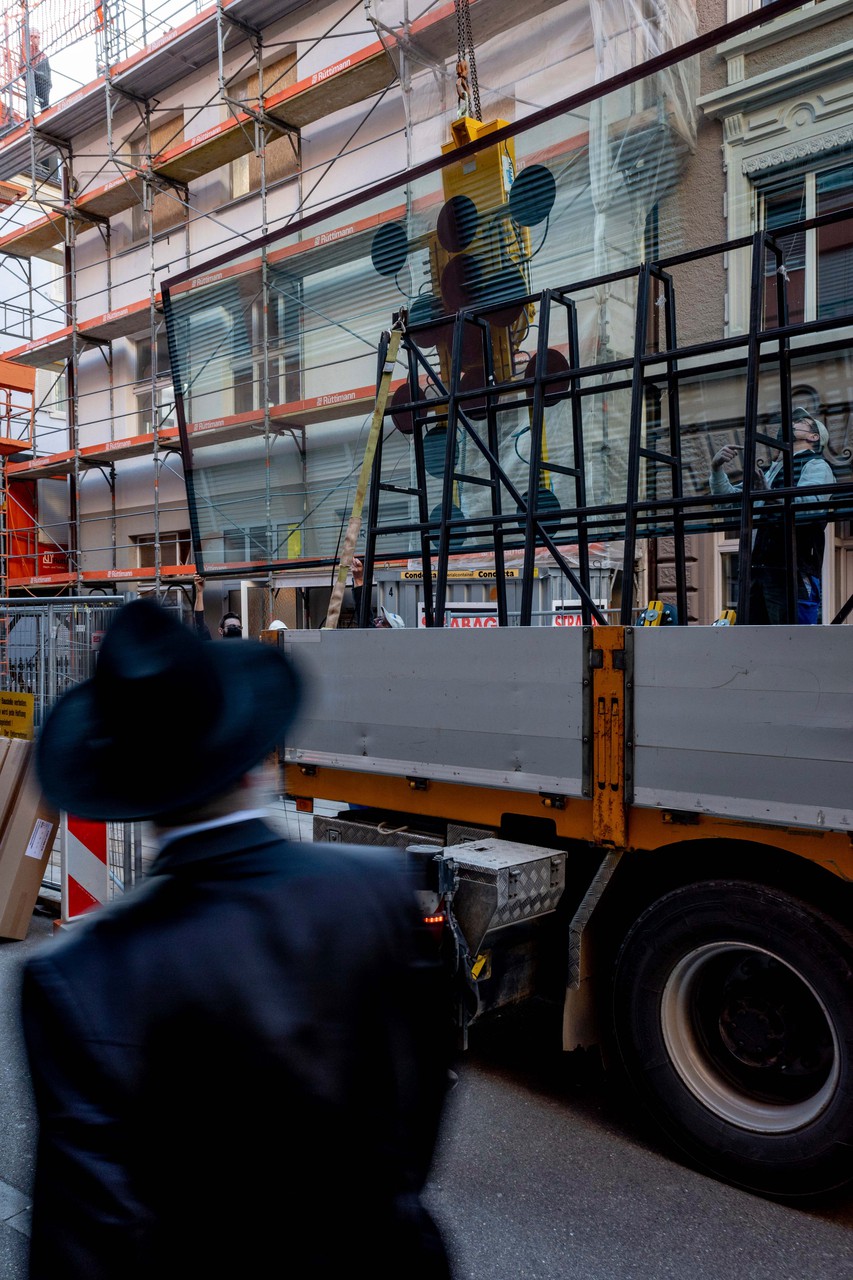
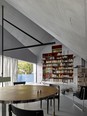
The renovation of a 1940’s industrial building in Wiedikon nears completion, with the installation of its windows.
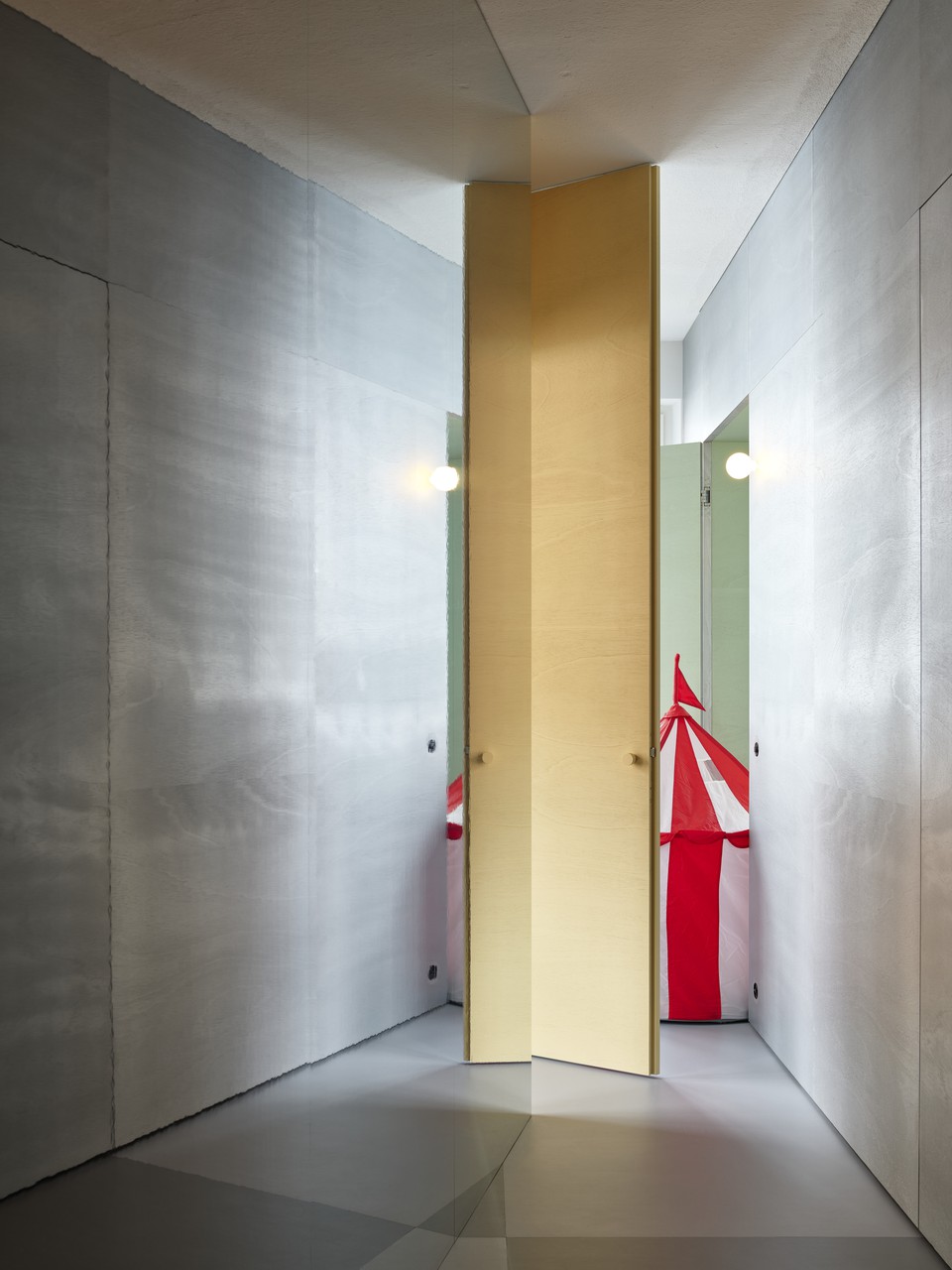
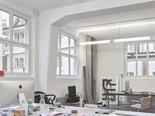
The second floor of the Wiedikon Warehouse has been reorganised to welcome a new family member.
Profile
Der Standard
A visit to the pioneers of adaptation in Zurich
Vienna, Austria
17th December 2022
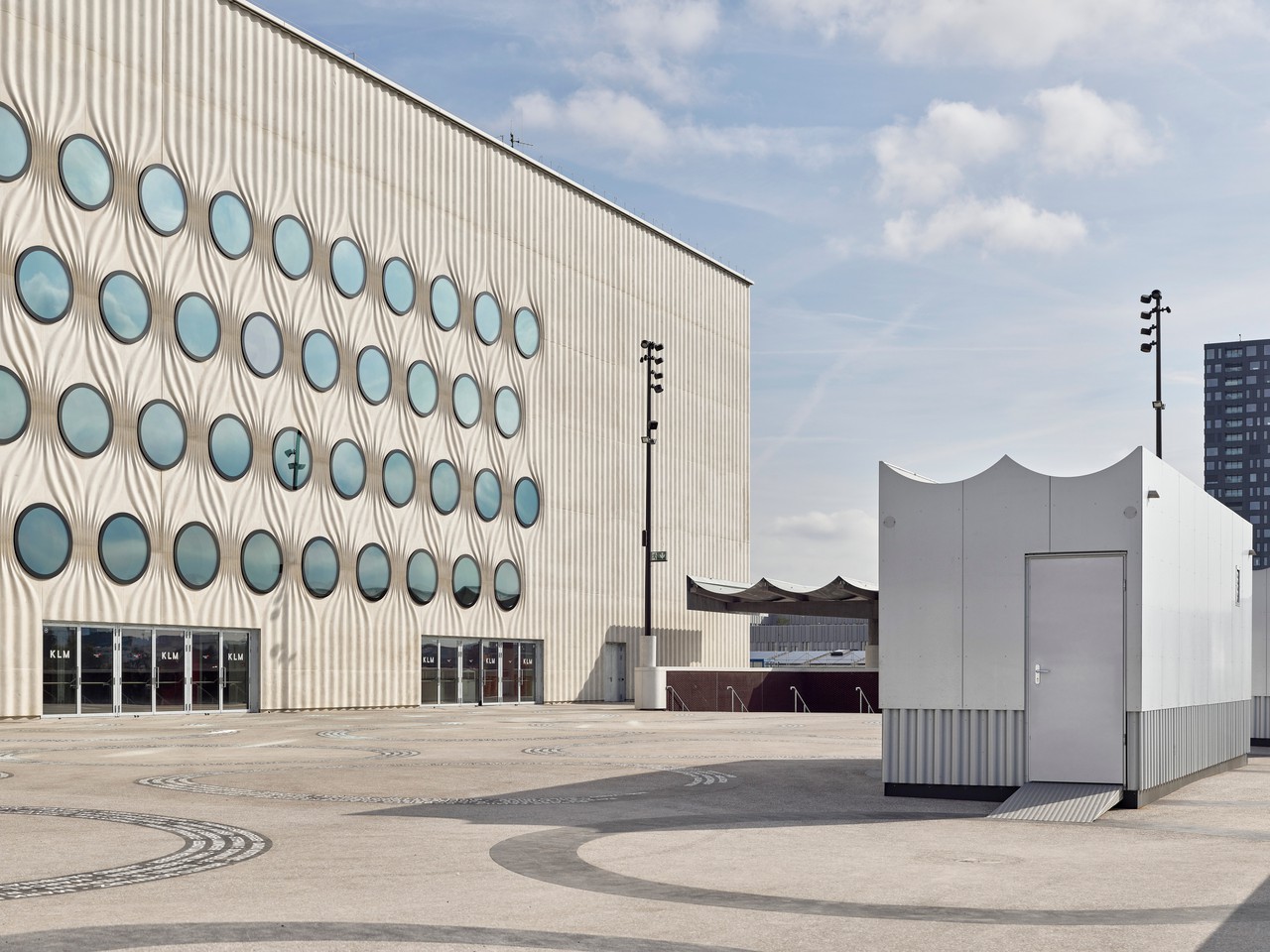
Maik Novotny visits Caruso St John's Zurich office to discuss the new arena for the ZSC Lions ice-hockey team and, despite the scale of its most recently completed project, discovers the practice's long-term interest and growing commitment to projects that prioritise renovation and adaptive re-use over new construction.
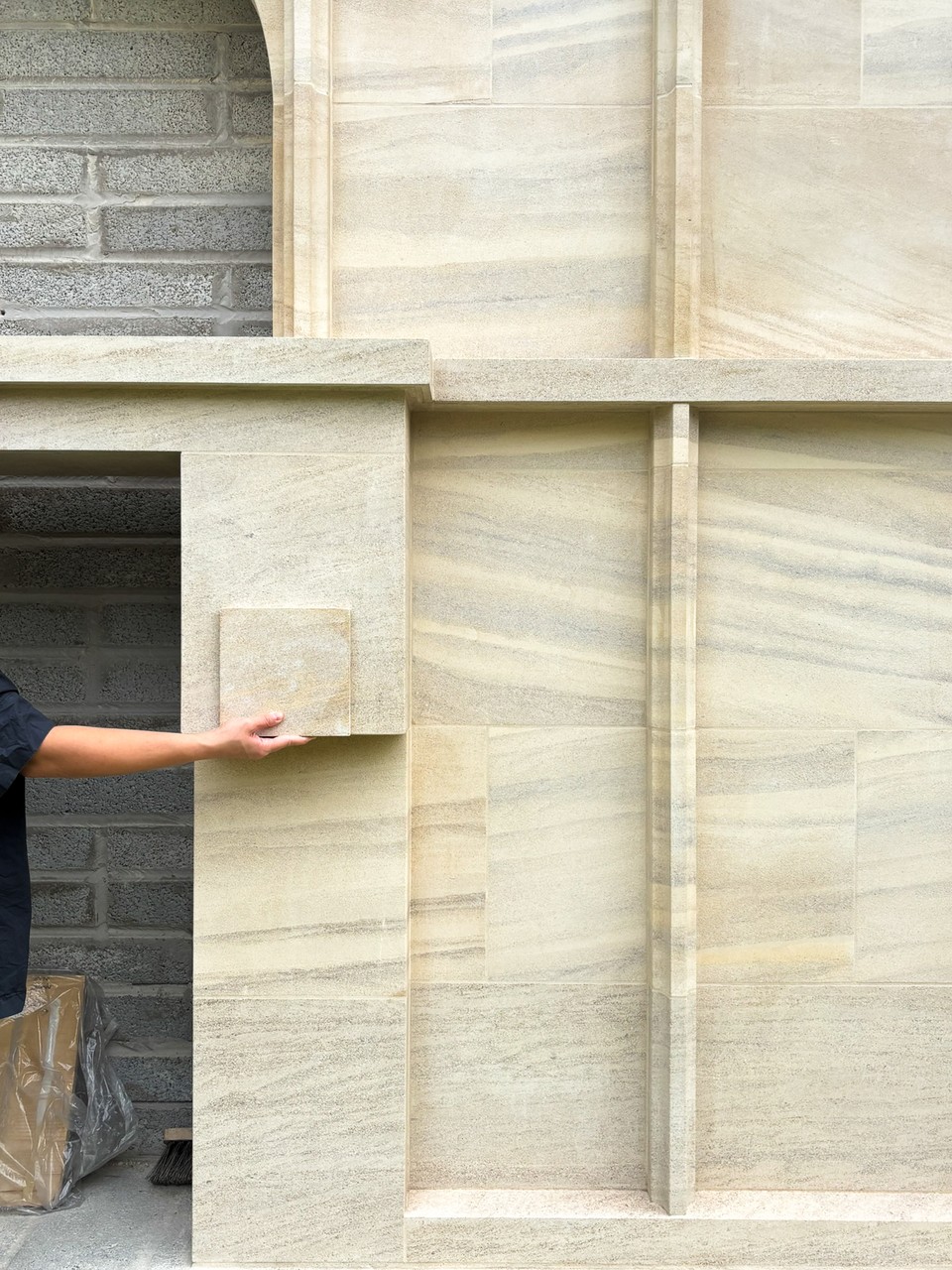
A full-scale stone façade mock-up of the new Garden Room building has been constructed on site at Magdalen College Oxford. The stone is Clipsham limestone, quarried in the Medwell and Bidwell quarries in Lincolnshire. The mock-up is intended to enable the final review of the material selection, assembly, and technical detailing of the load-bearing façade ahead of construction works targeted to start in November.
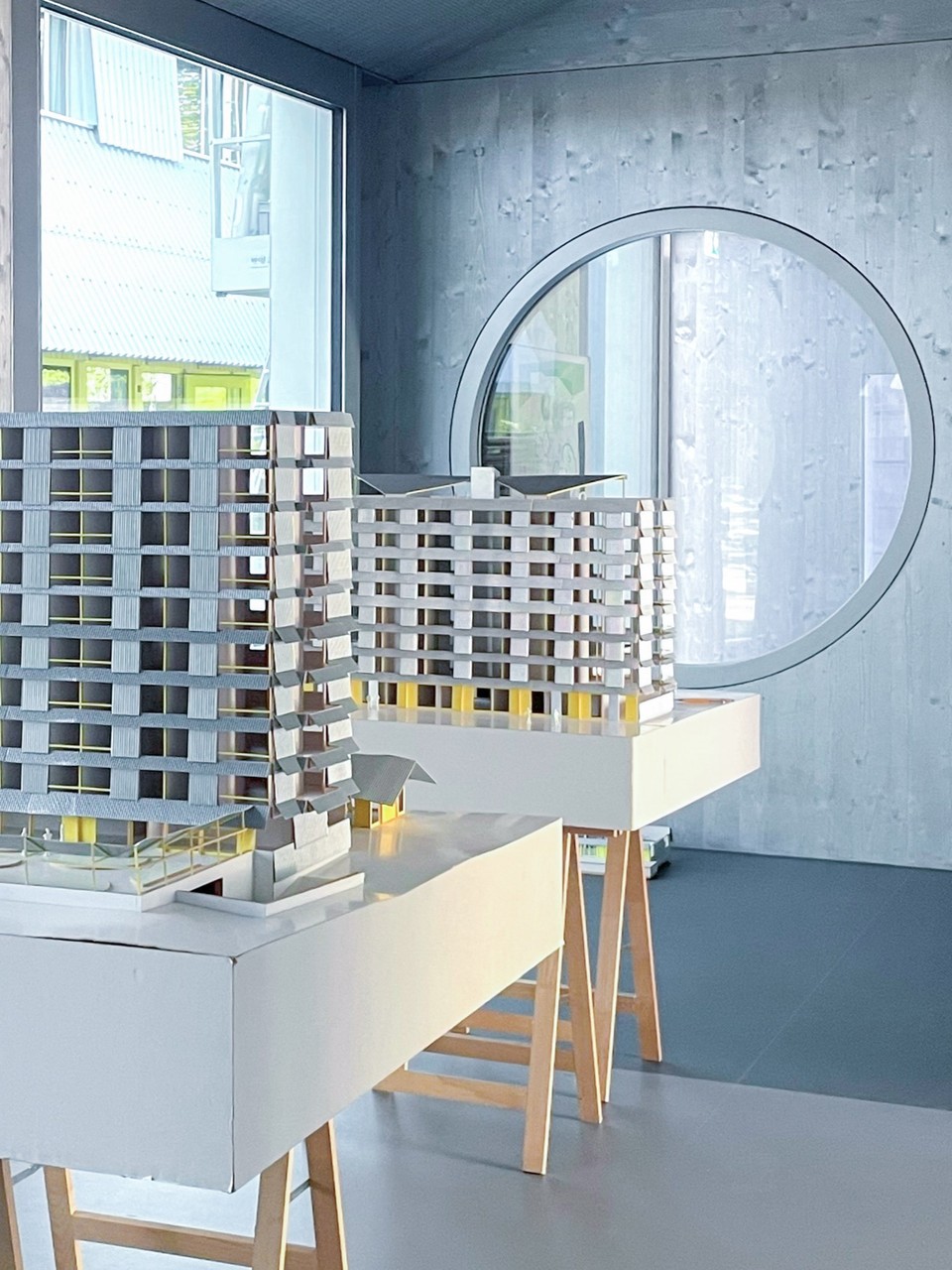
Last Saturday, we opened the doors of the Gutstrasse Cooperative buildings to the public. The project consists of two tall apartment buildings, each accompanied by a smaller, pavilion-like building: a diamond-shaped kindergarten on the north side, and a long, slim building with new offices for the cooperative on the south side. The buildings on the north side are now complete: the first tenants have moved in and the kindergarten is open.
In collaboration with Lütjens Padmanabhan ArchitektInnen.
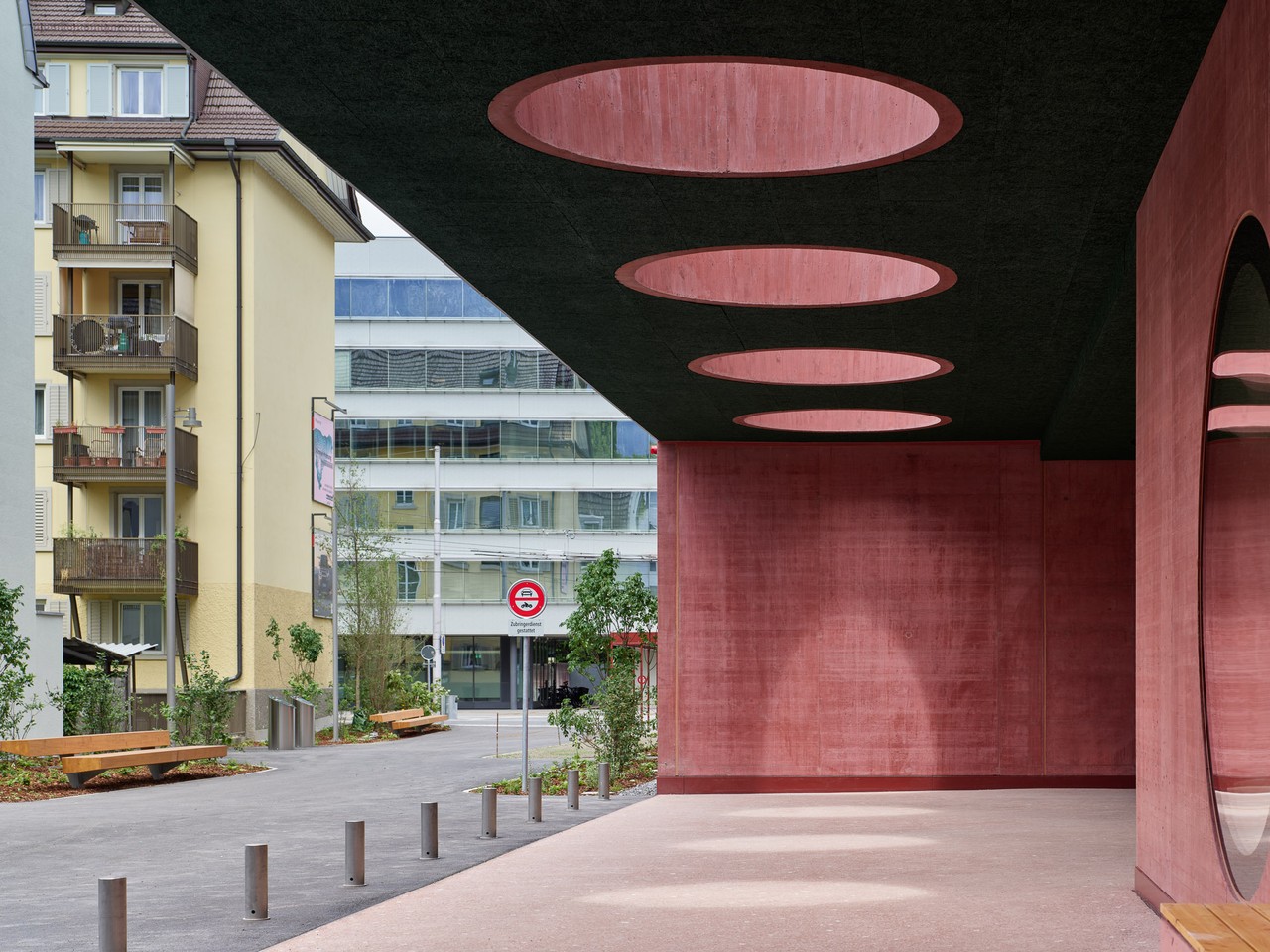
The new residential and commercial development in Tribschen has reached completion and is handed over to the client on schedule. Comprising of 147 flats alongside ground-floor retail spaces, the building welcomed its first occupants this summer.
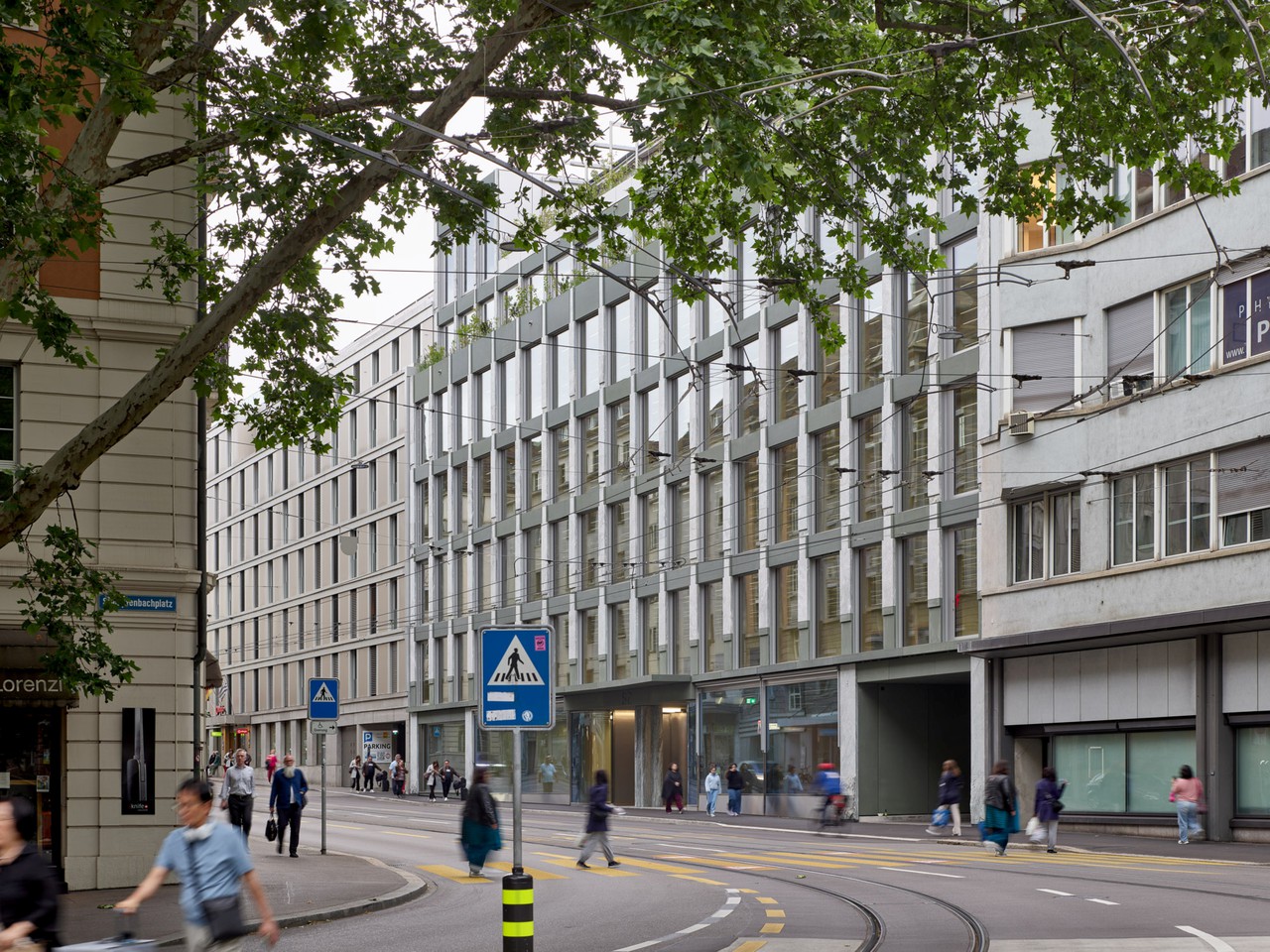
The construction of a new office building for insurance company AXA has now been completed on Stampfenbachstrasse in Zurich.
Planning permission has been granted for the renovation of a late 19th century building — part of an urban ensemble previously housing the Café Central — into four shared apartments with a planted courtyard and a terrace overlooking the Zurich lake. Construction is due to start in autumn 2026.
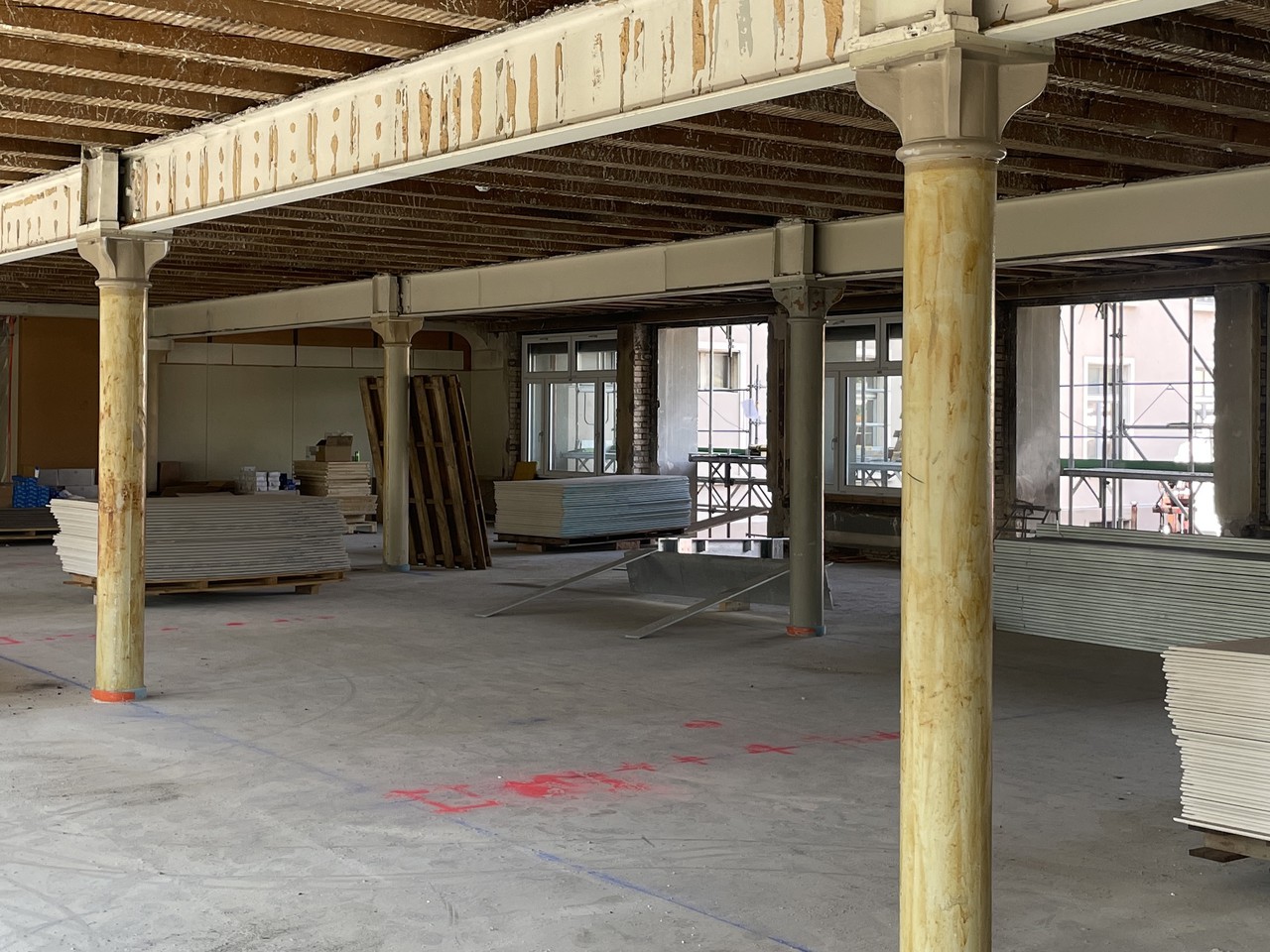
The renovation work has begun on Haus zum Magazin, a former administrative building of the Bally shoe factory dating from 1903. Various layers from previous era's were removed to expose the original steel columns and timber ceilings. Existing windows were retained and sometimes reinforced with new glazing assemblies, and new openings are being cut into the facade to create balconies. The project aims to balance the clearly discernible existing structure and the new residential use.
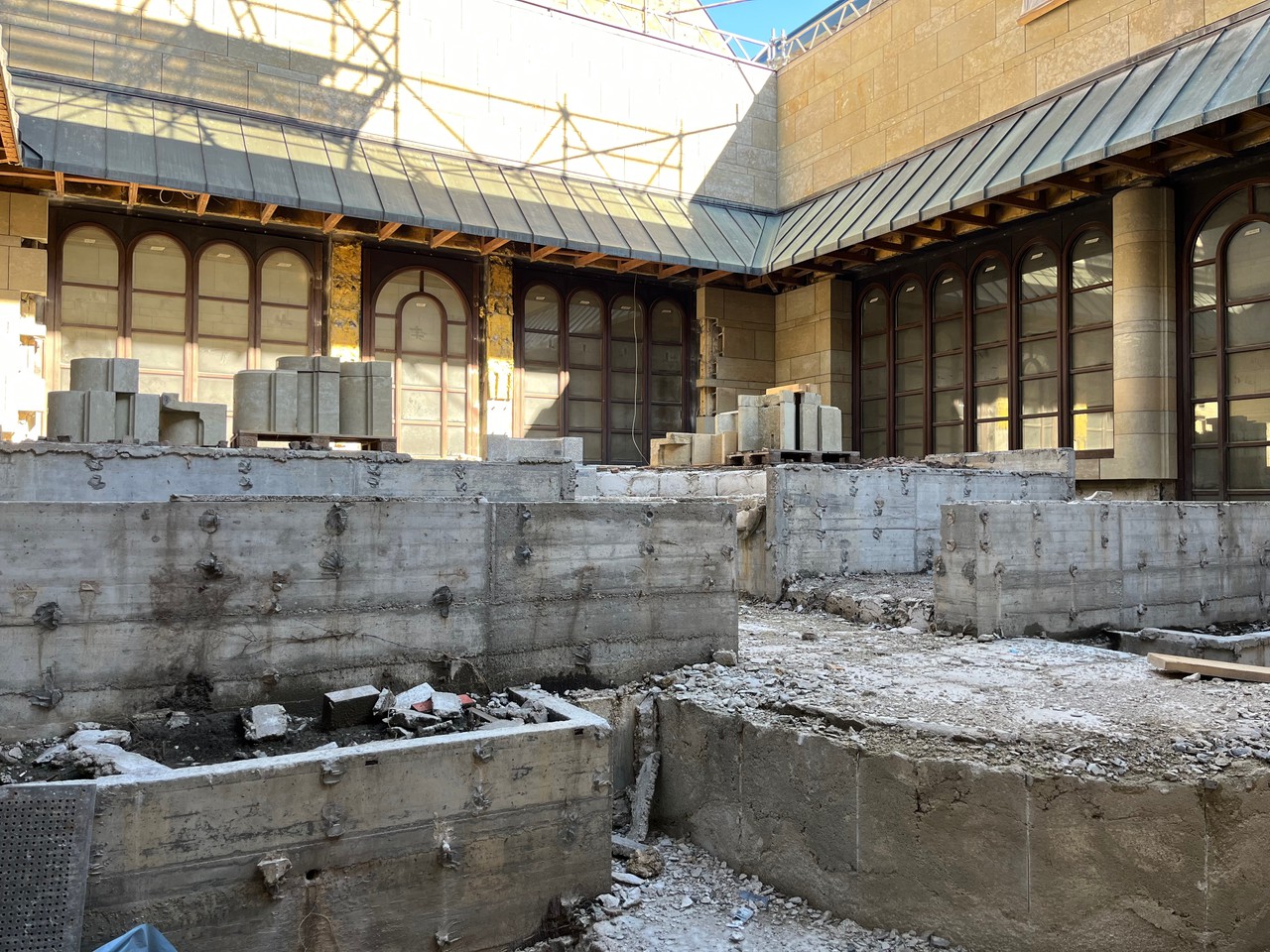
Work on the refurbishment of the Neue Pinakothek is now well underway. Re-use sits at the heart of the project: original stonework is being carefully dismantled, cleaned, and catalogued before being reinstated following the upgrade of insulation and building services. A precise labelling system and dedicated on-site storage are central to making this process work.
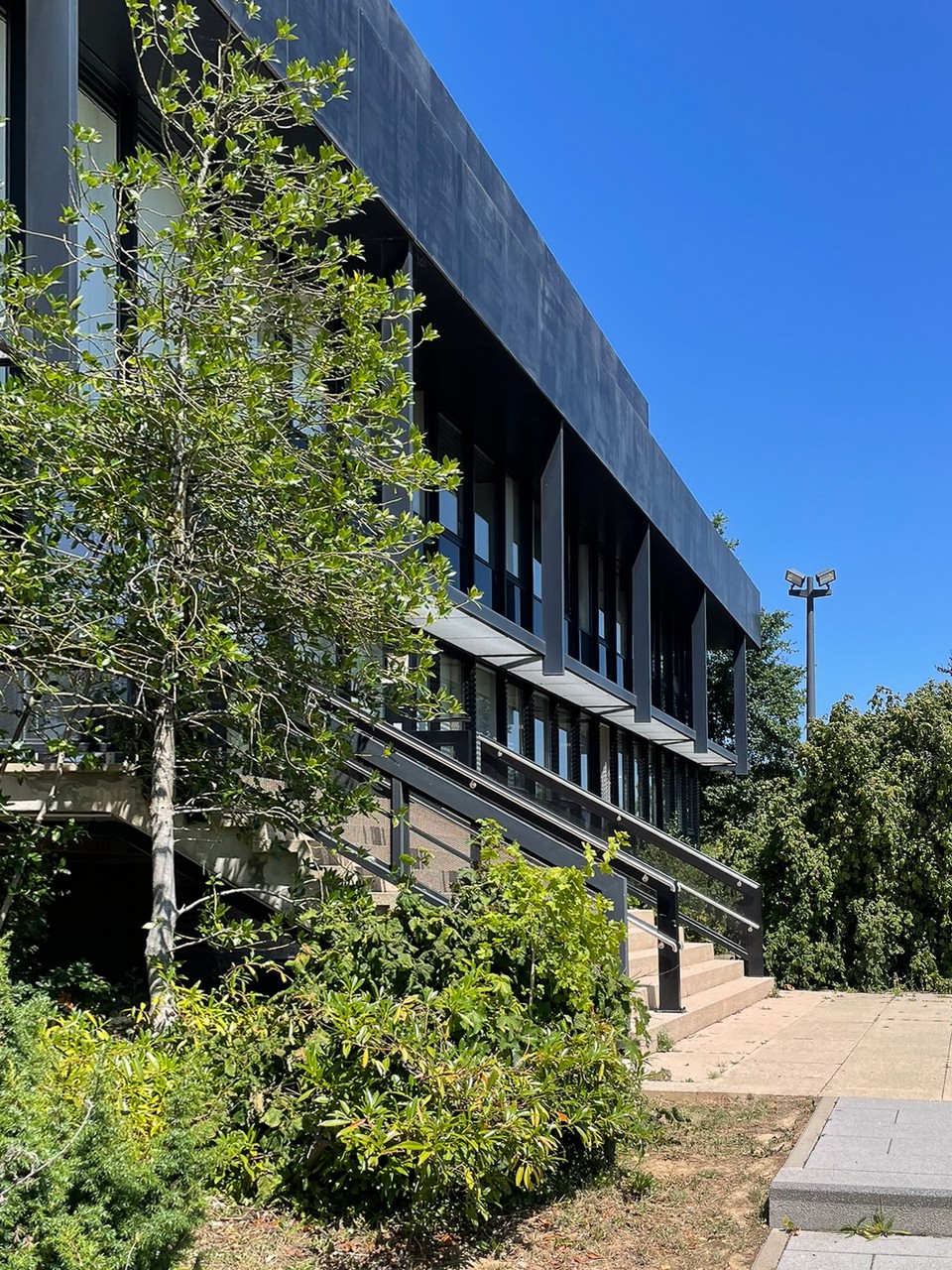
Caruso St John Architects, together with Studio SNCDA, have been appointed as architects for the renovation and extension of the Schwaarzt Haus, a social and community centre in Cents, Luxembourg.